
Slip Ring Aquaculture | Underwater Power & Data Solutions
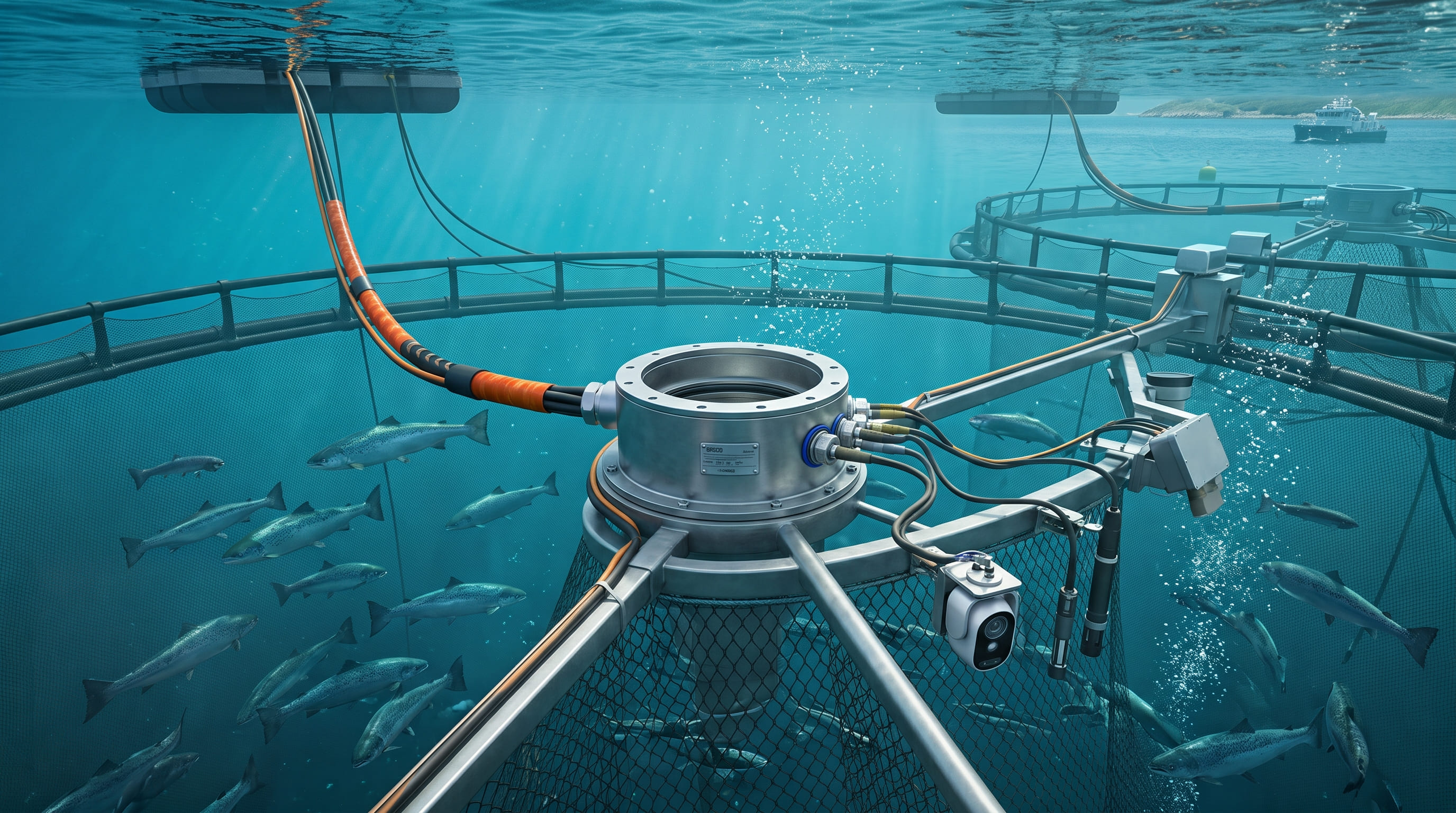
🐠⚙️ Slip Ring Aquaculture
Reliable Underwater Power & Signal Transfer
Slip ring aquaculture systems are revolutionizing how underwater operations function in modern fish farming. These technologies ensure uninterrupted power and signal transmission to rotating equipment submerged in aquatic environments — supporting smart and sustainable aquaculture practices.
🌊 What is Slip Ring Aquaculture?
In aquaculture, equipment like:
- Rotating cages
- Automatic feeding systems
- Underwater monitoring devices
…require full 360° motion without tangled cables or signal interruptions.
Slip rings make this possible by acting as a rotary interface — transmitting power and data from a stationary source to a rotating part.
Slip ring aquaculture enables high-reliability, low-maintenance solutions for underwater power and data transfer.
⚙️ Why Use Slip Rings in Aquaculture?
✔️ Continuous RotationSupports devices that rotate constantly, such as feeders and aerators.
✔️ Reliable Signal TransferTransmits real-time data from underwater sensors and cameras.
✔️ Corrosion ResistanceMarine-grade slip rings are sealed to resist saltwater damage.
✔️ Compact DesignPerfect for tight underwater spaces with limited access.
🐟 Real-Life Applications
🎥 Underwater Surveillance
Rotating cameras used for fish stock monitoring rely on slip rings to transmit power and high-quality video signals without interruptions.
🍽️ Automatic Feeding Systems
Feeding arms rotate freely using slip rings to maintain a stable energy supply, improving automation and reducing labor.
🌡️ Environmental Sensors
Slip rings allow rotating platforms to share real-time sensor data, such as temperature, salinity, and oxygen levels.
🛠️ Choosing the Right Slip Ring
When selecting a slip ring for aquaculture systems, consider:
- 🌊 IP68 or higher protection class
- ⚡ Combined signal + power channels
- 🧪 Anti-corrosion materials like stainless steel or marine alloys
- 🔌 Ethernet or fiber optic compatibility for high-speed data
🌐 Conclusion
Slip ring aquaculture is powering the future of smart fish farming. These devices ensure seamless communication and energy flow between control systems and rotating underwater equipment — enabling more automated, reliable, and scalable aquaculture.